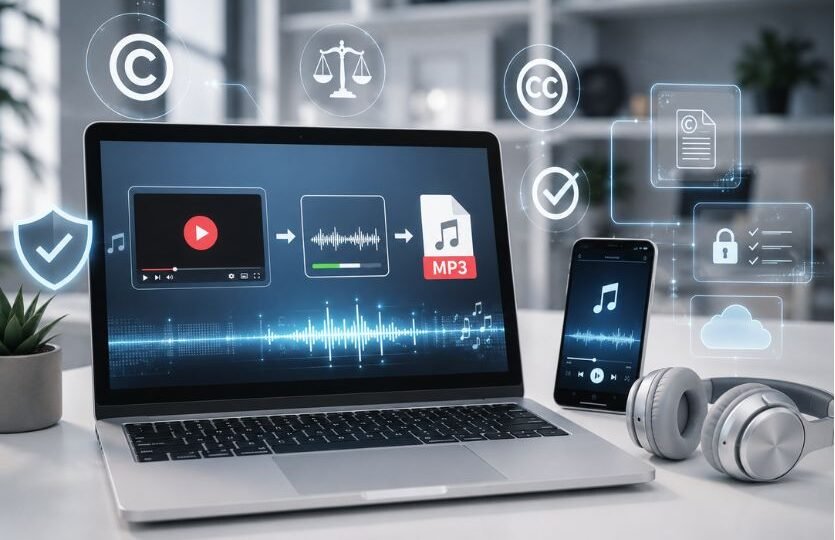
How to Convert YouTube to MP3 Legally: Safe & Legal Guide
Millions of people turn to YouTube every day for music, podcasts, lectures, interviews, educational content, and other audio-rich videos. It’s no surprise that many users want to save the audio for offline listening while commuting, studying, or traveling. However, one important question often arises before using any converter: How can you convert YouTube to MP3 legally?
Also Read: Be1Crypto.com Guide: Crypto News, Blockchain & Web3 Insights
The answer is more nuanced than a simple yes or no. While countless websites promise instant YouTube-to-MP3 downloads, legality depends on several factors, including who owns the content, whether you have permission, the video’s license, YouTube’s Terms of Service, and the copyright laws that apply in your country.
Understanding these rules is essential not only to stay within the law but also to respect the rights of creators who invest significant time and resources into producing their content. This guide explains when converting YouTube videos to MP3 is legal, when it may violate copyright or platform rules, and what the safest alternatives are for downloading or listening to audio offline.
Understanding What YouTube to MP3 Conversion Means
Converting YouTube to MP3 refers to extracting the audio track from a YouTube video and saving it as an MP3 audio file. Unlike downloading a complete video, this process removes the visual component and creates a standalone audio file that can be played on smartphones, computers, tablets, or portable music players.
People use MP3 conversion for many legitimate reasons. Some want to listen to educational lectures while driving, others enjoy podcasts without streaming video, and some creators download audio from their own uploaded videos for editing or archiving. Although the technology itself is neutral, whether using it is lawful depends entirely on the source material and the permissions associated with it.
Is It Legal to Convert YouTube Videos to MP3?
The legality of converting YouTube videos to MP3 depends on the specific circumstances. There is no universal rule that makes every conversion legal or illegal.
If you own the video, have received permission from the copyright owner, or the content is available under a license that permits downloading and reuse, converting it to MP3 is generally acceptable. On the other hand, downloading copyrighted content without authorization may violate copyright law in your jurisdiction and may also breach YouTube’s Terms of Service.
This distinction is important because copyright law and platform policies are related but separate. Even if an action does not automatically result in copyright infringement, it may still violate the contractual rules you agreed to when using YouTube.
What YouTube’s Terms of Service Say
YouTube’s Terms of Service generally prohibit downloading videos unless YouTube itself provides a download feature or the content owner has explicitly allowed downloads.
This means that using unauthorized third-party websites or software to download videos or extract audio often conflicts with YouTube’s platform rules. The platform provides official methods for offline viewing through services such as YouTube Premium in supported regions, but these downloads remain inside the YouTube application rather than becoming standalone MP3 files.
Users should understand that violating platform policies is different from violating copyright law, but both issues should be considered before downloading any content.
Understanding Copyright Before Downloading
Copyright gives creators exclusive rights to reproduce, distribute, perform, and adapt their original works. Videos uploaded to YouTube are generally protected by copyright from the moment they are created.
When someone converts a copyrighted YouTube video into an MP3 file without authorization, they may be making an unauthorized copy of that work. Depending on local copyright laws, this could infringe the rights of the copyright holder.
Many people mistakenly believe that downloading content for personal use automatically makes it legal. In reality, personal use alone does not necessarily create a legal exception. Copyright laws differ between countries, and what is permitted in one jurisdiction may not be allowed in another.
Legal Situations Where You Can Convert YouTube to MP3
There are several situations where converting YouTube videos to MP3 is generally considered lawful.
The most straightforward example is downloading content that you personally created. If you uploaded your own video, you own the underlying material unless you transferred those rights to someone else. Extracting the audio from your own work is typically acceptable because you are exercising your own copyright.
Another common example involves videos published under Creative Commons licenses. Some creators intentionally allow others to reuse or adapt their work under specific conditions. Before downloading or converting such videos, always review the exact license because different Creative Commons licenses have different requirements regarding attribution, commercial use, and derivative works.
Public domain material also offers legal opportunities for downloading and conversion. Copyright protection eventually expires, allowing certain works to become freely available for public use. Some government-produced materials may also be in the public domain, depending on the country of origin.
Finally, obtaining direct permission from the copyright owner provides one of the strongest legal foundations for converting content into MP3 format. Permission may be granted through licensing agreements, written emails, or terms published on the creator’s website.
Downloading Your Own YouTube Videos
Creators often need audio versions of their own videos for podcasts, promotional materials, editing projects, or archival purposes.
If you uploaded the original content yourself and own all associated rights, converting the video into an MP3 file is generally a legitimate use of your own intellectual property. Many video editors also extract audio during normal production workflows, making this one of the most common legal reasons for MP3 conversion.
If your video contains copyrighted music or third-party content that you do not own, however, additional permissions may still be necessary.
Creative Commons Content and Licensing
Creative Commons licensing allows creators to specify how others may use their work. Some licenses permit downloading, sharing, editing, and adaptation, while others prohibit commercial use or require attribution.
Before converting any Creative Commons video into MP3 format, carefully review the specific license attached to that video. Not all Creative Commons licenses provide identical rights, and complying with the license conditions is essential.
Proper attribution may be required, especially if you plan to redistribute or publicly use the converted audio.
Public Domain Content
Public domain works are not protected by copyright, allowing anyone to use them without requesting permission.
Examples may include historical speeches, classical music recordings whose copyrights have expired, certain educational materials, or government publications where applicable.
Although public domain status offers significant freedom, users should verify that the specific recording itself is also in the public domain. A modern recording of an old public domain composition may still be protected by copyright.
What About Fair Use?
Fair use is one of the most misunderstood concepts surrounding YouTube downloads.
Fair use exists in some countries, particularly the United States, as a legal doctrine allowing limited use of copyrighted material without permission under certain circumstances. Courts typically evaluate factors such as the purpose of use, the nature of the copyrighted work, the amount used, and the effect on the market value of the original work.
Educational commentary, criticism, news reporting, research, and parody may sometimes qualify as fair use. However, converting an entire music video into an MP3 file simply for convenient listening does not automatically qualify.
Fair use is determined case by case and cannot be guaranteed in advance.
Why Many Free YouTube-to-MP3 Websites Are Problematic
Thousands of websites advertise free YouTube-to-MP3 conversion services, often claiming to provide unlimited downloads within seconds.
While these platforms may appear convenient, they present several concerns beyond legal questions.
Many rely on intrusive advertising, misleading download buttons, aggressive pop-ups, browser redirects, and bundled software that users never intended to install. Some have been associated with malware, phishing attempts, spyware, or other cybersecurity risks.
Additionally, these services often operate by bypassing YouTube’s intended methods of accessing content, creating potential conflicts with platform rules.
Users should exercise caution before entering URLs or downloading software from unknown converter websites.
Safer and Legal Alternatives
Fortunately, there are several safer ways to enjoy YouTube content offline without relying on unauthorized MP3 conversion services.
YouTube Premium offers official offline downloads in many regions. Although these downloads remain within the YouTube application and cannot be exported as MP3 files, they provide a legitimate way to access videos without an internet connection.
YouTube Music Premium similarly allows offline listening to music within the official app while supporting artists and rights holders.
The YouTube Audio Library provides royalty-free music and sound effects specifically intended for creators. These resources can often be downloaded legally and used according to their licensing terms.
For commercial music, purchasing songs from legitimate digital stores or subscribing to licensed streaming platforms offers the safest long-term solution.
Respecting Content Creators
Behind every successful YouTube channel are creators who dedicate time, creativity, equipment, editing skills, and financial resources to producing valuable content.
Advertising revenue, memberships, sponsorships, and premium subscriptions often support these creators. Unauthorized downloading can reduce engagement, impact revenue, and undermine the sustainability of quality content.
Supporting creators through official channels helps ensure they can continue producing educational videos, music, documentaries, tutorials, and entertainment for future audiences.
Common Misconceptions About YouTube Downloads
One widespread misconception is that if a video is publicly available, anyone may freely download it. Public accessibility does not eliminate copyright protection. Watching a video online and creating a permanent downloadable copy are legally different activities.
Another misunderstanding is that personal use automatically makes downloading lawful. While some countries recognize limited private copying exceptions, these rules vary significantly and do not universally authorize downloading copyrighted YouTube content.
Some users also believe that non-commercial use removes copyright concerns. Although commercial intent may influence legal analysis, copyright protection generally applies regardless of whether money is involved.
Tips for Staying on the Right Side of the Law
Before converting any YouTube video into MP3 format, ask yourself several important questions.
Consider whether you own the content or have explicit permission from the creator. Determine whether the video is licensed under Creative Commons or has entered the public domain. Review YouTube’s available download options and understand the platform’s policies regarding offline access.
If uncertainty remains, it is usually safer to avoid downloading the content and instead use official streaming or offline viewing features whenever available.
Frequently Asked Questions
Is converting YouTube to MP3 always illegal?
No. It depends on whether you own the content, have permission, the content is in the public domain, or it is distributed under a license that allows downloading and reuse. Unauthorized conversion of copyrighted material may violate platform policies and could infringe copyright law depending on the circumstances.
Can I convert my own YouTube videos into MP3?
Yes. If you own the video and all the rights associated with its content, extracting the audio into MP3 format is generally considered lawful.
Does YouTube Premium allow MP3 downloads?
No. YouTube Premium allows eligible users to download videos for offline viewing inside the YouTube app, but it does not provide standalone MP3 files that can be exported or shared.
Are Creative Commons YouTube videos free to download?
Some are, but users must follow the specific license attached to the video. Certain licenses require attribution, while others restrict commercial use or modifications.
Is downloading for personal use automatically legal?
Not necessarily. Personal use does not automatically create a legal exception under copyright law, and the applicable rules vary by country.
Are free YouTube-to-MP3 websites safe?
Not always. Some may expose users to malware, phishing attempts, misleading advertisements, or privacy risks. They may also operate in ways that conflict with YouTube’s Terms of Service.
Conclusion
Converting YouTube videos to MP3 legally requires understanding both copyright law and YouTube’s platform policies. While many online tools advertise fast and free downloads, legality depends on factors such as ownership, licensing, permission, and applicable legal exceptions. Downloading your own videos, using properly licensed Creative Commons content, accessing public domain works, or obtaining permission from the copyright holder are generally the safest legal paths.
When in doubt, choose official services such as YouTube Premium or YouTube Music for offline listening. Respecting creators’ rights not only helps you avoid potential legal and security issues but also supports the people who produce the content millions enjoy every day. By making informed decisions and using authorized methods whenever possible, you can enjoy YouTube content responsibly while staying within both legal and ethical boundaries.